
High Voltage Circuit Diagram Designed to protect sensitive electronic components from ESD. Intended to protect circuits from high-voltage, short-duration static events. Built to protect against transient voltage spikes (high-energy voltage surges) caused by events like lightning strikes, power line crosses, or switching events in electrical circuits.
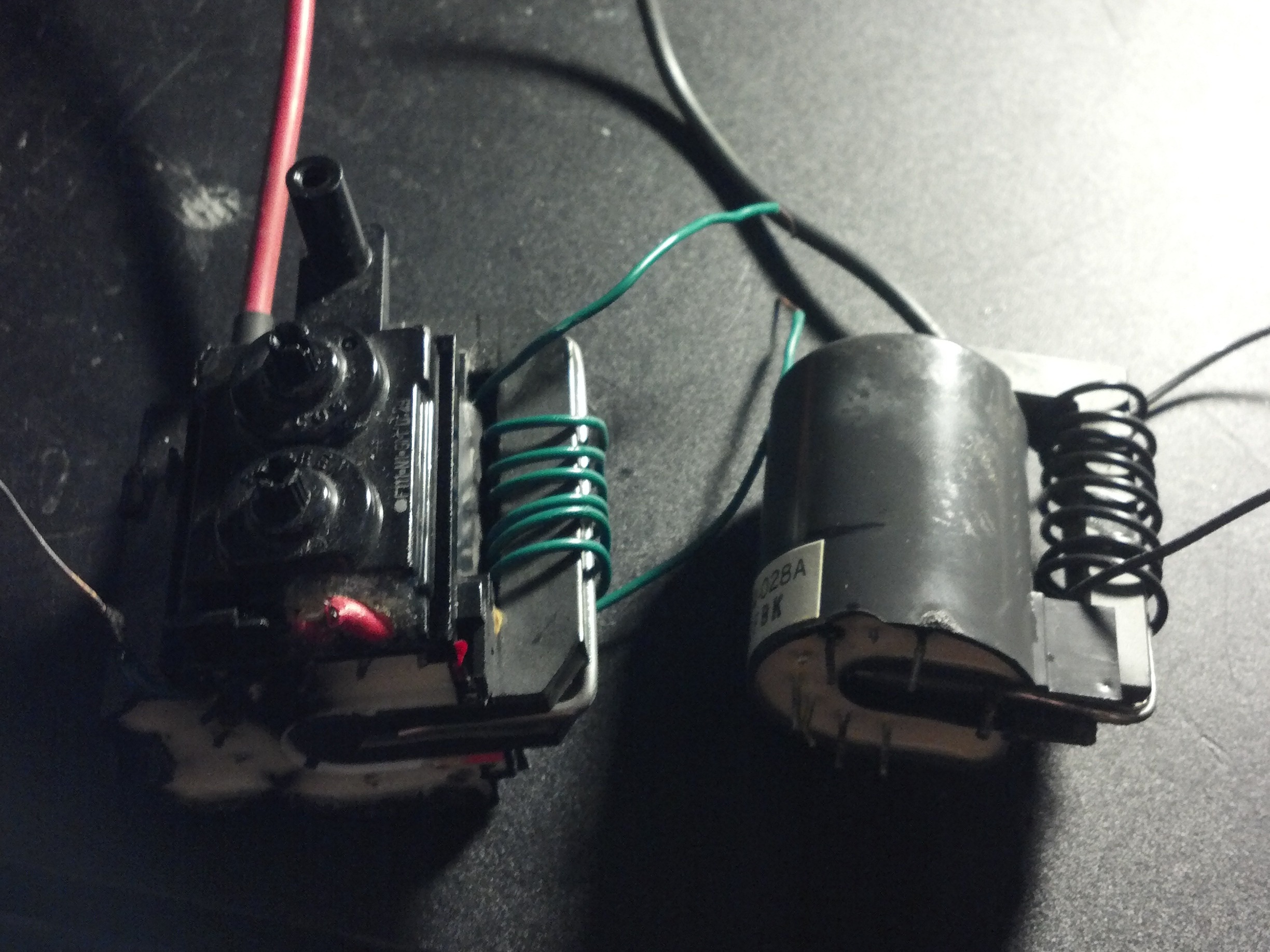
Routing and Trace Design. Routing is the path that electrical signals follow on the PCB. It is especially important with high-voltage circuits. Increase Trace Width: Wider traces can carry more current and generate less heat.They also reduce resistance. Spacing is Key: Keep enough distance between traces to prevent arcing.; Avoid Sharp Corners: Use smooth curves instead of 90-degree angles.

Design Considerations and Material Selection for High Voltage PCB ... Circuit Diagram
High voltage PCB operates at greater voltages than the typical rail voltage. Mains-powered power supply, Inverters, and EV chargers are examples of this type of board. High voltage does not have a predetermined threshold. A good starting point would be 100 volts for printed circuit boards—this is the normal range of voltage. However, over 100 volts need extra considerations that you would Compliance and Safety Standards for High Voltage Circuit Boards. High voltage circuit boards (HVPCBs) must adhere to specific design and safety standards to ensure their reliability and safe operation. One of the most critical standards is IPC-2221, which outlines design principles for creepage and clearance distances.

Techniques For Effective High Voltage PCB Layout. Designing a high voltage printed circuit board (PCB) requires meticulous attention to detail and adherence to specific guidelines to ensure safety, reliability, and performance. One of the primary considerations in high voltage PCB design is the spacing between conductive elements.
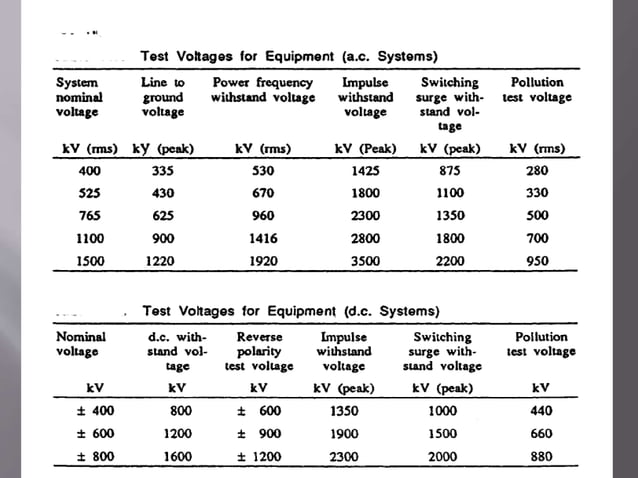
High Voltage Circuit Board Design and Manufacturing Circuit Diagram
Working within high-voltage circuit boxes becomes easier when you design them properly. High-voltage semiconductor devices used for motor control circuits and power supplies include MOSFETs, Insulated Gate Bipolar Transistors, MOS-controlled Thyristors, Power FETs, and Silicon-Controlled Rectifiers. PCB design rules must follow manufacturer
